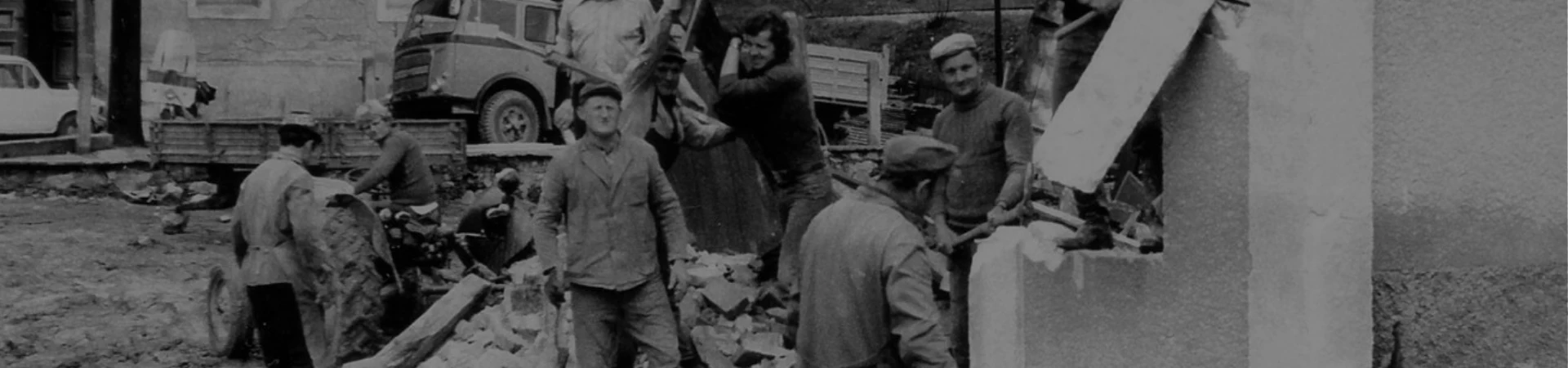
When earthquakes became a lesson in how to build better
In the 1970s, two earthquakes left a lasting mark on the built environment of Central Europe. One struck Kozjansko in 1974, the other Friuli in 1976.
They differed in magnitude and consequences. But from an engineering perspective, they revealed the same underlying issue and pointed toward the same solution.
Damage without casualties, but with clear signals
On June 20, 1974, Kozjansko was hit by an earthquake of approximately 5.1–5.2 magnitude.
While there were no fatalities, the structural impact was extensive:
- 7,763 buildings were damaged
- in the epicentral area, up to 93% of buildings were affected
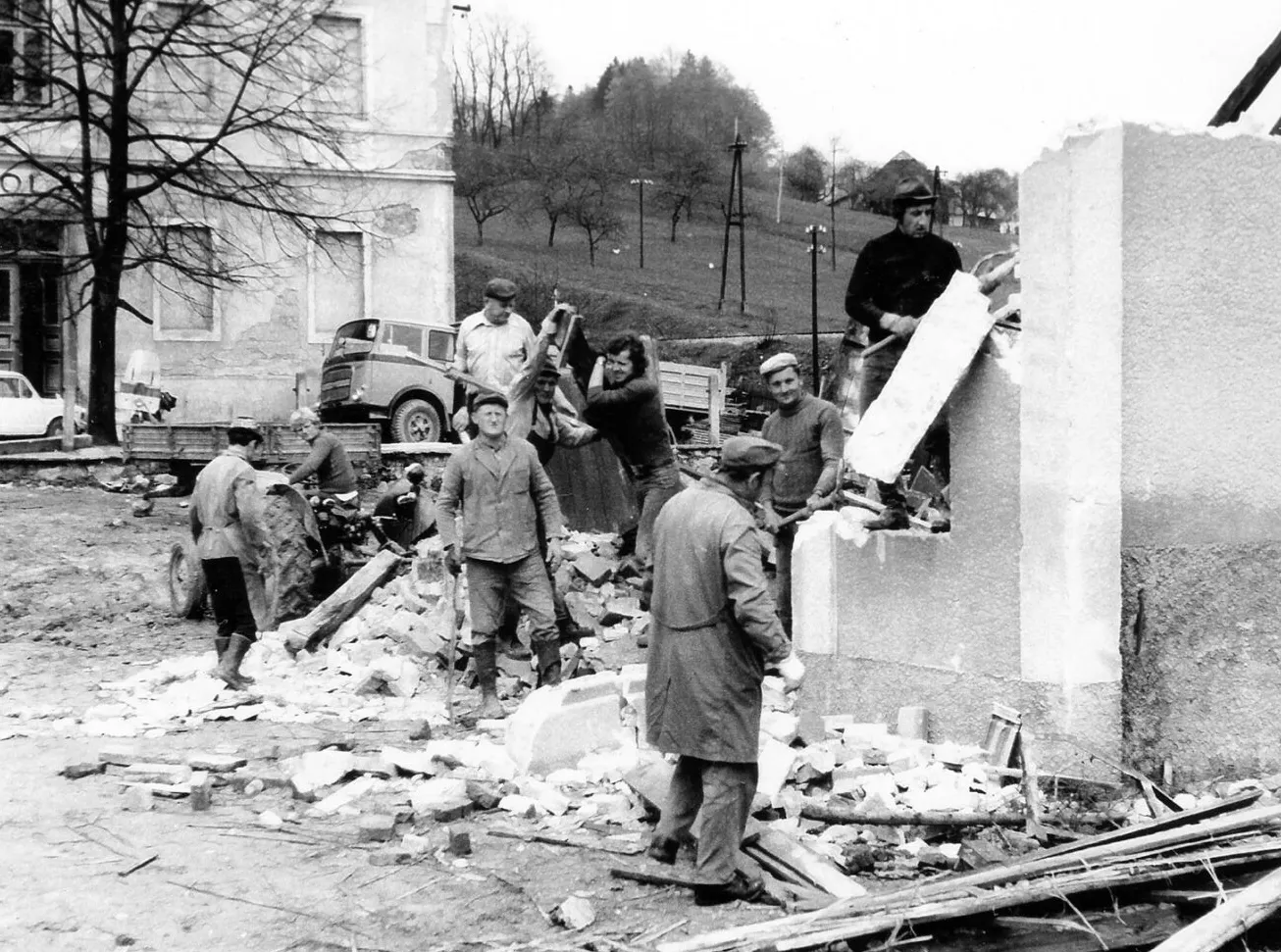
Field assessments showed that the most affected were:
- older stone houses
- buildings constructed without proper binding materials
- structures with high mass and low structural integrity
Cracks formed at wall junctions, load-bearing walls lost capacity, and roof structures destabilized.
At the same time, another pattern emerged:
Timber and lighter structures showed significantly better performance.
This aligns with fundamental seismic design principles:
- lower mass → lower inertial forces
- flexible systems → better energy dissipation
The same weaknesses, at a larger scale
Two years later, the Friuli earthquake confirmed these findings under more extreme conditions.
With a magnitude of ~6.5, the consequences were severe:
- nearly 1,000 fatalities
- more than 100,000 people left without homes
Again, the most vulnerable were: unreinforced masonry buildings and structures without proper horizontal and vertical ties.
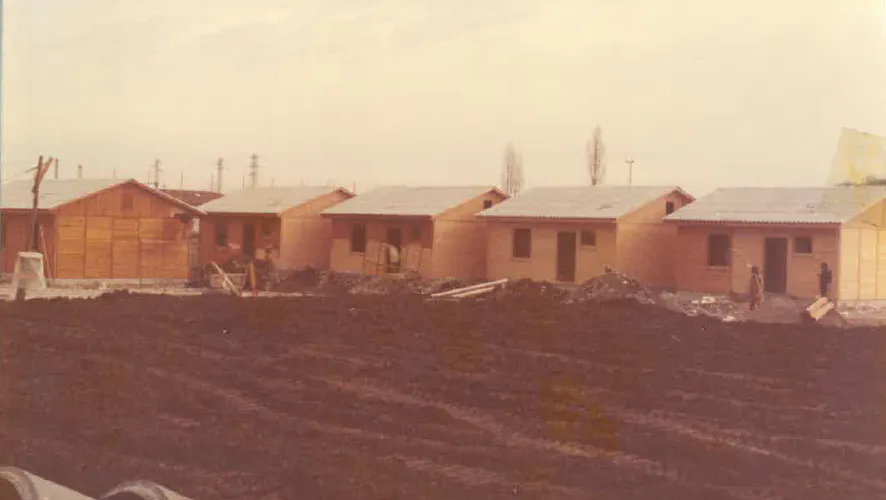
Following the Friuli earthquake in 1976, Marles further scaled its capabilities by participating in the construction of 200+ prefabricated houses and multiple public buildings within a broader system of 535+ objects across 60+ locations, executed in an exceptionally short timeframe, even in logistically demanding conditions.
Reconstruction as an engineering response
After both earthquakes, reconstruction was not only about rebuilding but about improving.
In Slovenia, particularly in Kozjansko, a combination of state coordination, engineering input and industrial capacity led to the wider use of prefabricated timber construction systems.
This was not a theoretical shift. It was a practical response to clearly identified problems.
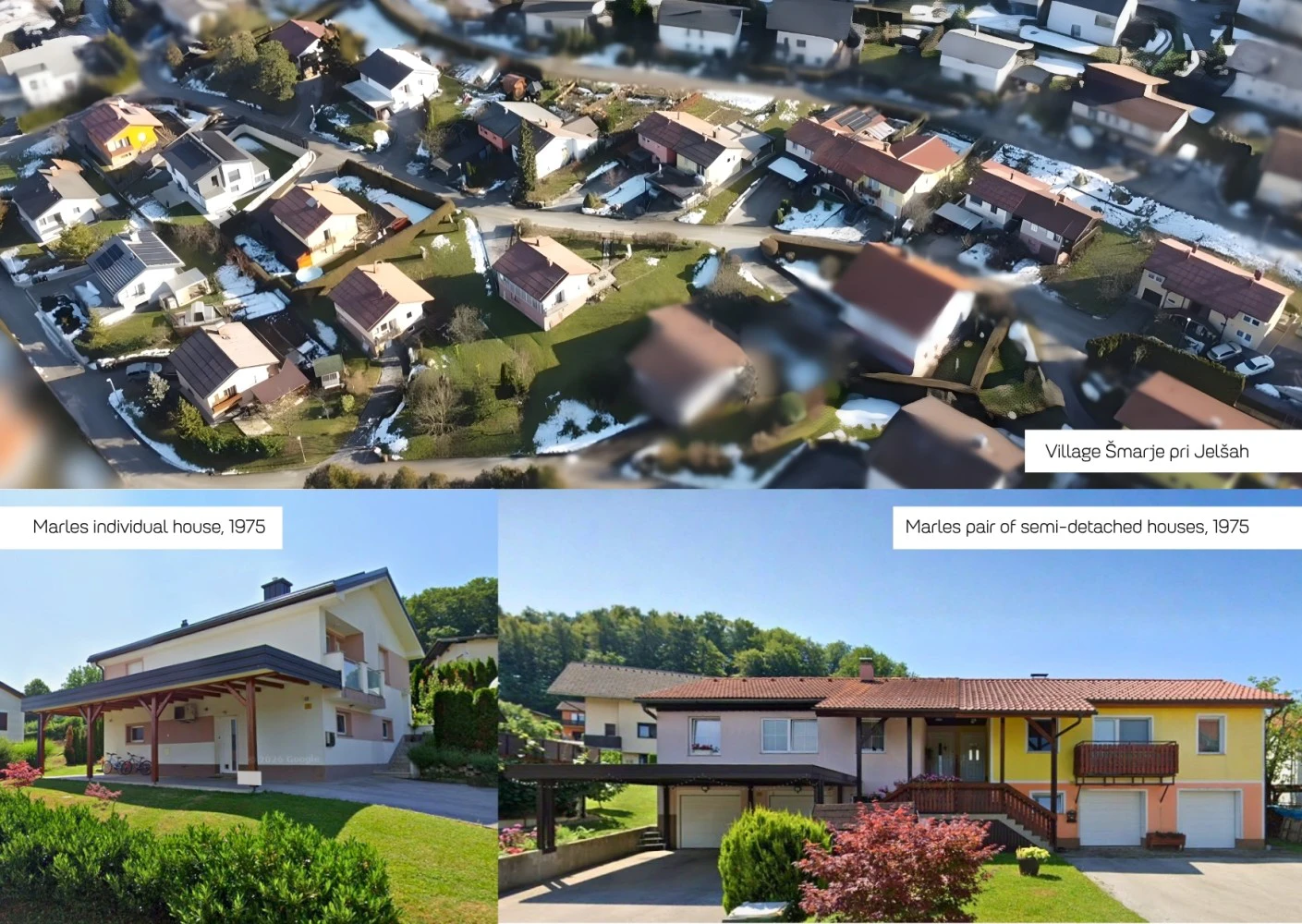
After the Kozjansko earthquake in 1974—often referred to as the “Dobrotres”—Marles contributed to the rapid reconstruction by delivering entire prefabricated settlements (e.g. ~20 houses in Šmarje pri Jelšah) and providing small social housing units for the most affected population, demonstrating speed, reliability and seismic safety.
Why prefabricated timber construction proved effective
Large numbers of people needed housing in a short time. Prefabrication enabled:
- parallel processes (production + site preparation)
- rapid on-site assembly
Entire neighborhoods were built significantly faster than with traditional masonry. For example, in Šmarje pri Jelšah, a settlement of ~20 prefabricated houses was developed as part of the reconstruction effort
Timber systems offered clear mechanical advantages:
- lower self-weight → reduced seismic forces
- ductile connections → better redistribution of loads
- panel-based systems → improved structural integrity
These characteristics directly address the failure mechanisms observed in masonry buildings.
A key issue after the earthquake was variability in construction quality:
- shortage of materials
- reliance on local, often improvised building methods
Prefabrication shifted a large part of the process into controlled environments: factory production, standardized elements and repeatable performance
This reduced execution-related risks.
Reconstruction after the 1976 Friuli earthquake demonstrated how far this approach could scale:
- 535+ prefabricated houses and 32 public buildings completed in a short timeframe
- construction carried out across 60+ locations simultaneously
- delivery adapted to terrain, including remote access solutions
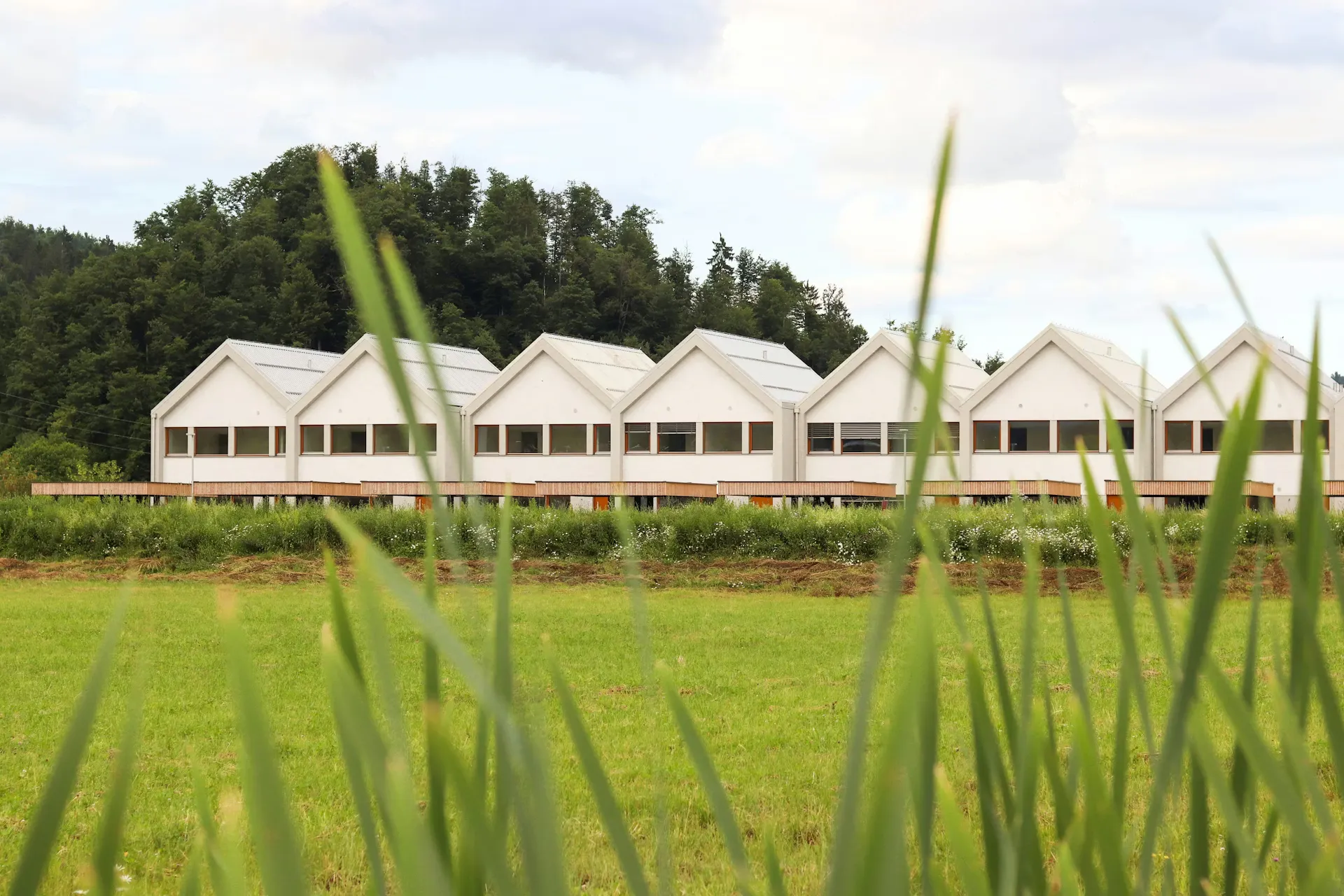
This level of coordination is only possible with system-based construction. That is why Marles can execute any project, from 40 - 4000m2 = Residential housing - Marles Prefabricated Houses
A broader transition in construction
Looking back, these earthquakes marked more than a period of reconstruction.
They accelerated a shift:
- from heavy, material-intensive construction to lighter, engineered systems
- from on-site improvisation to industrialized production and planning
For companies like Marles, this period played an important role in developing and refining prefabricated building systems that are still relevant today.
From then on, construction systems have evolved based on the needs and requirements of the project.
Final reflection
Earthquakes are unpredictable. Their impact, however, is not.
The events of 1974 and 1976 showed that resilience is not only a matter of location or magnitude, but is is a matter of how we build. And in that sense, they marked the beginning of a more engineered, more reliable approach to housing. One that continues to evolve today.
You pcan read more about seismic safety here: Seismic safety - Marles Prefabricated Houses