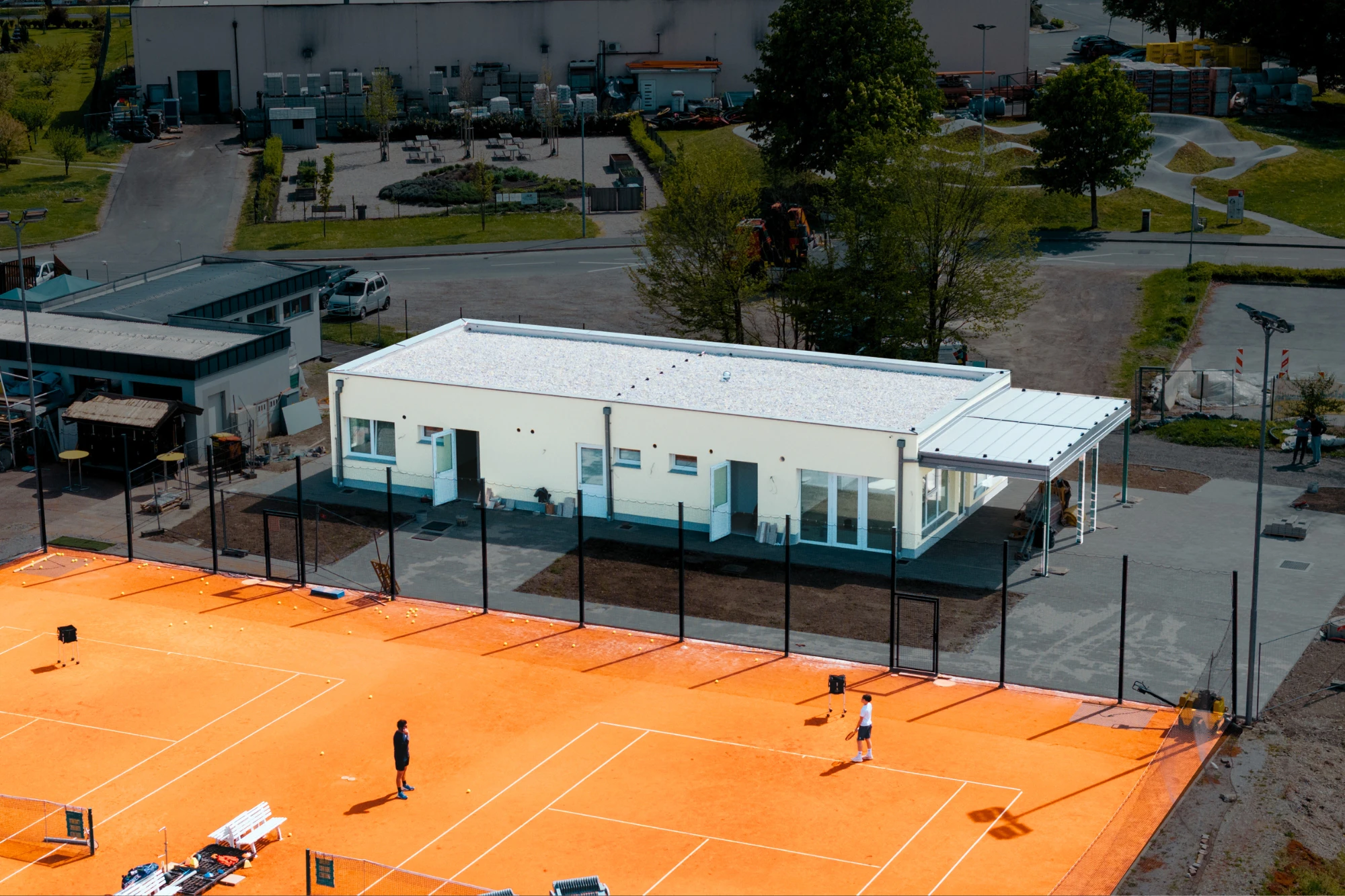
New Modern Timber Tennis Facility
A New Chapter in Sustainable Sports Infrastructure
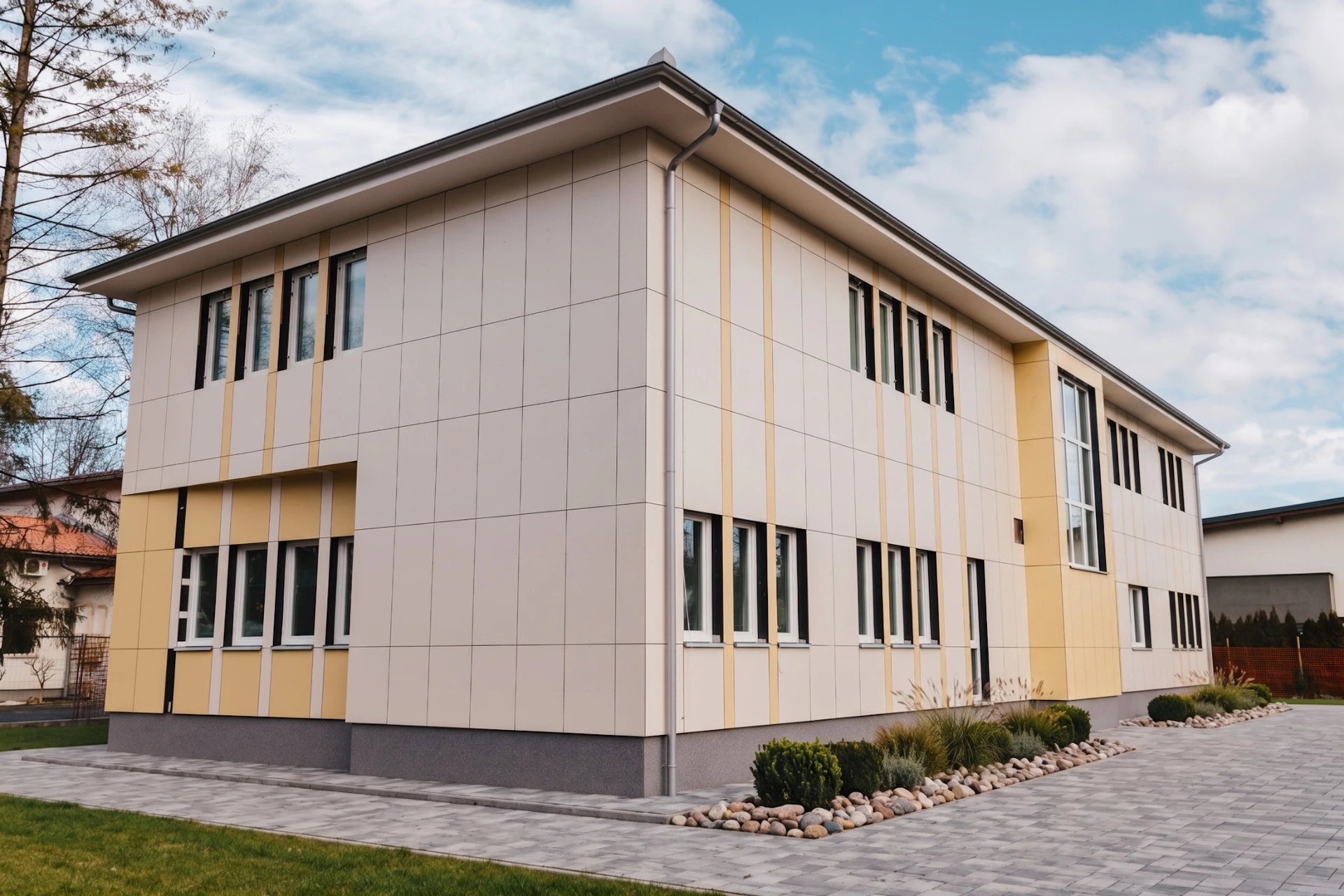
Marles is proud to announce the successful completion of the Sladki Vrh Tennis Park project, an almost-zero-energy sports support building delivered for Občina Šentilj. Designed as a contemporary addition to the existing tennis park, the building brings together changing rooms, showers, physiotherapy, storage and social hospitality spaces in one efficient, future-oriented solution.
For Marles, this project reflects something deeply important. Great buildings are shaped around people, movement and everyday use. In Sladki Vrh, that means creating a place where young tennis players can train, develop and compete in an environment designed for comfort, functionality and long-term performance.
The Sladki Vrh Tennis Park project is a strong example of why preconstructed timber building is such a good fit for public and community infrastructure.
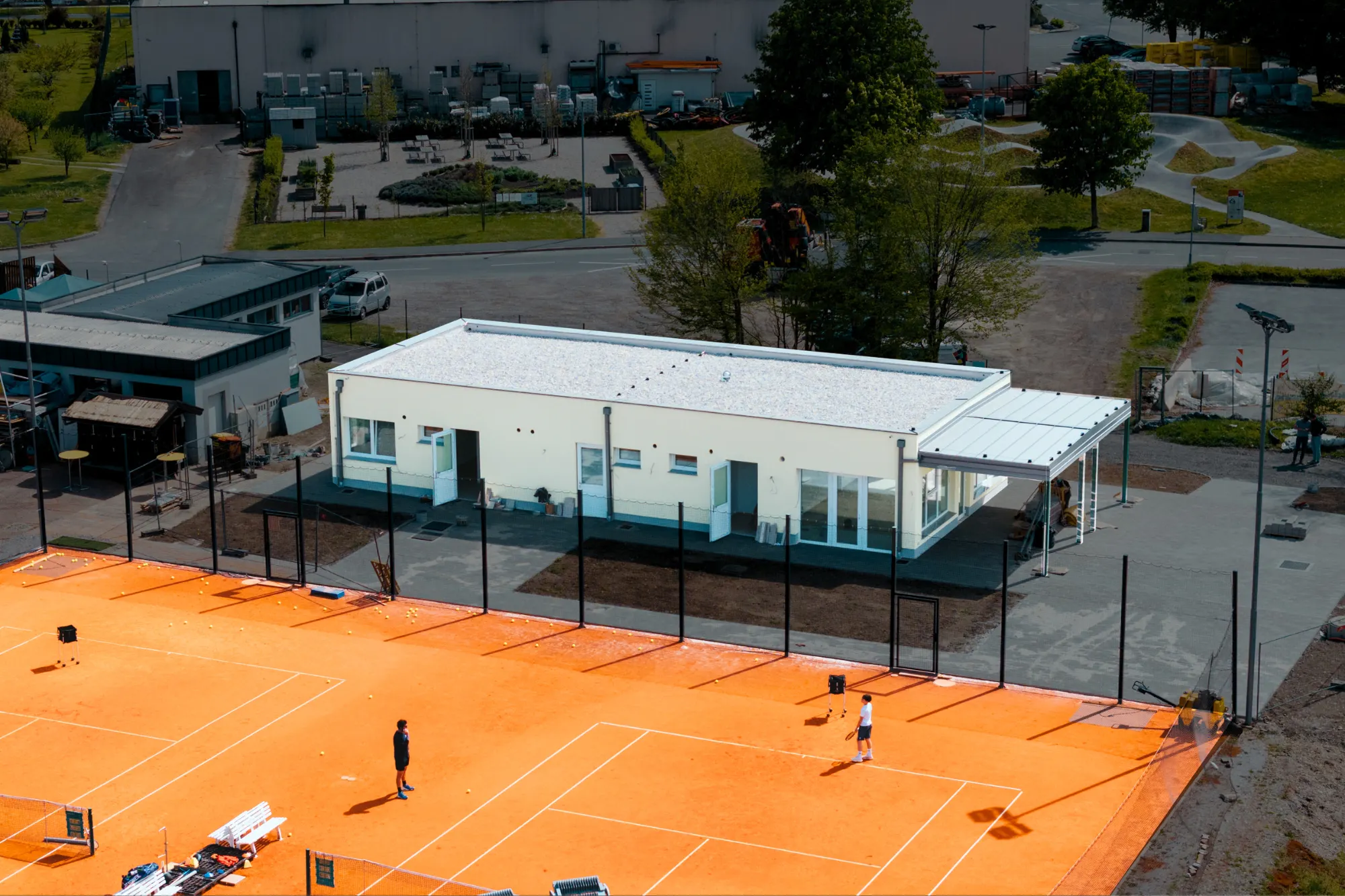
Timber construction offers a combination of advantages that matter to local communities, municipalities and investors alike. The building process is faster and more predictable, thanks to controlled production and efficient on-site assembly. The system allows for dry construction, greater precision and strong quality control throughout the project. At the same time, it delivers high energy efficiency, excellent fire and seismic performance, and a lower carbon footprint.
These benefits are particularly valuable in public projects, where the quality of execution, operating costs and long-term usability all matter from day one.
A Building Designed for Everyday Use
At Sladki Vrh, the goal was never only to build support spaces around a tennis court. The goal was to create an environment that works well for everyone who uses it.
Together, these functions form a modern support building that improves the usability of the sports park and strengthens its role in the local community.
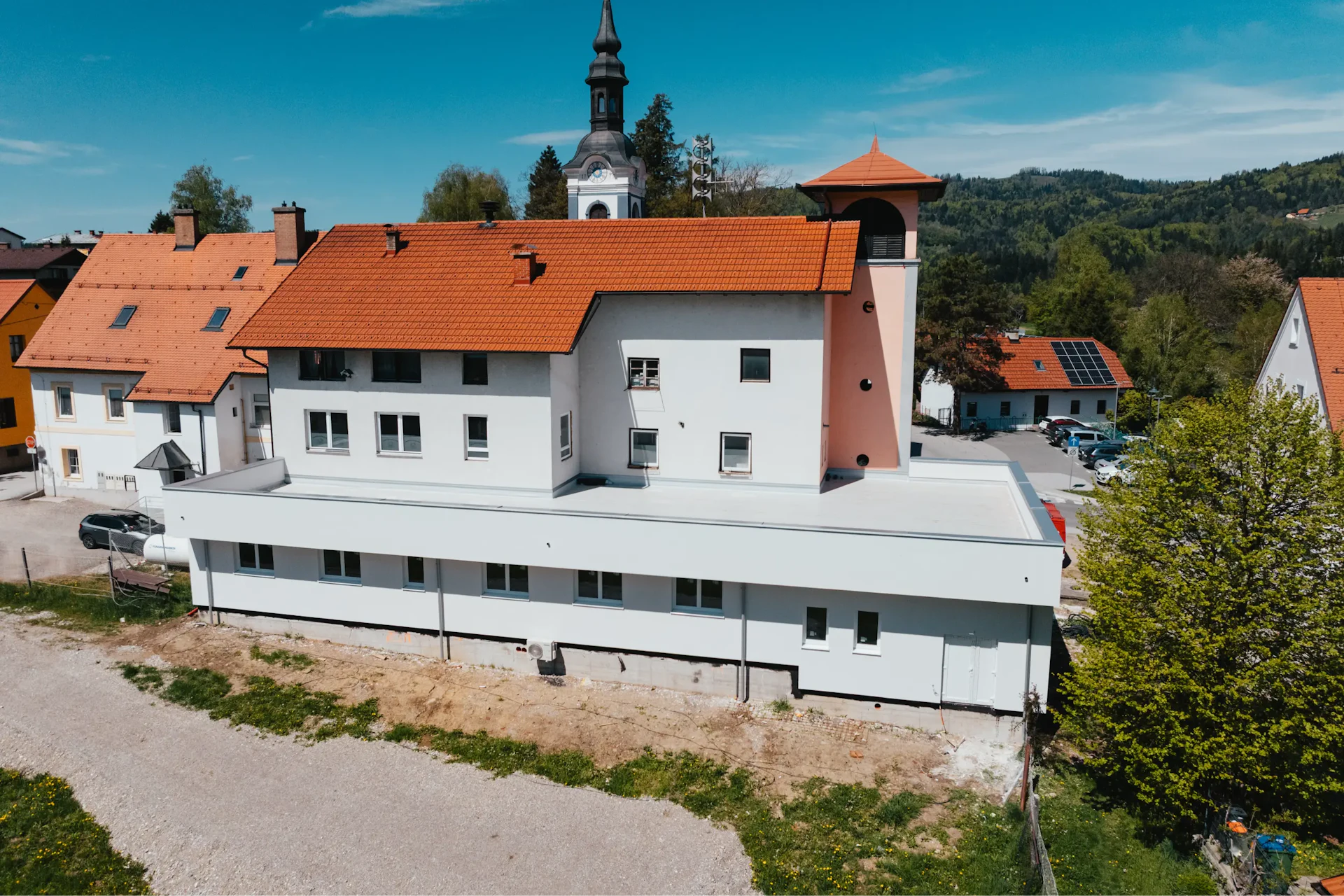
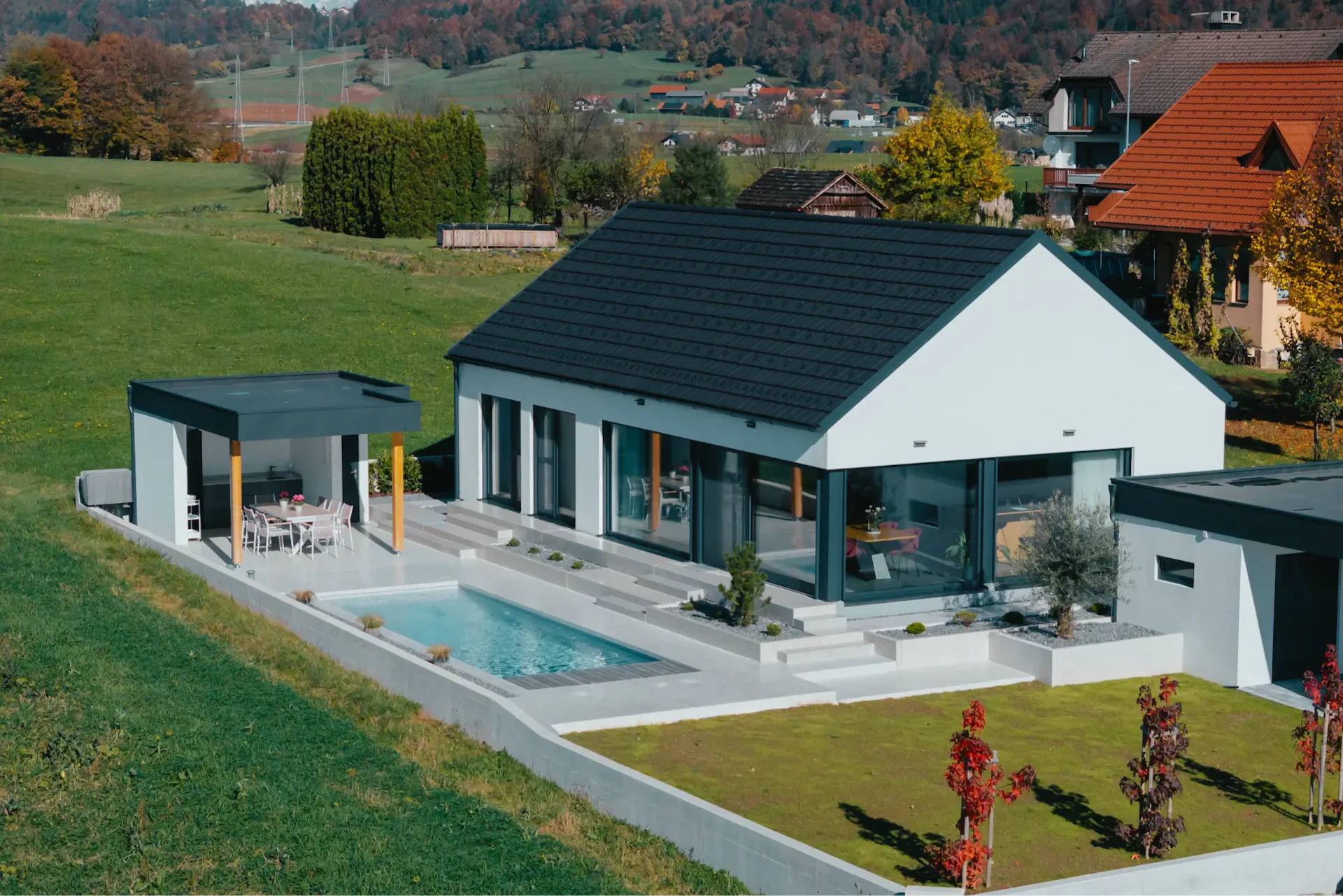
The Sladki Vrh project also tells a bigger story about Marles. Today, Marles delivers a wide range of projects across different sectors.
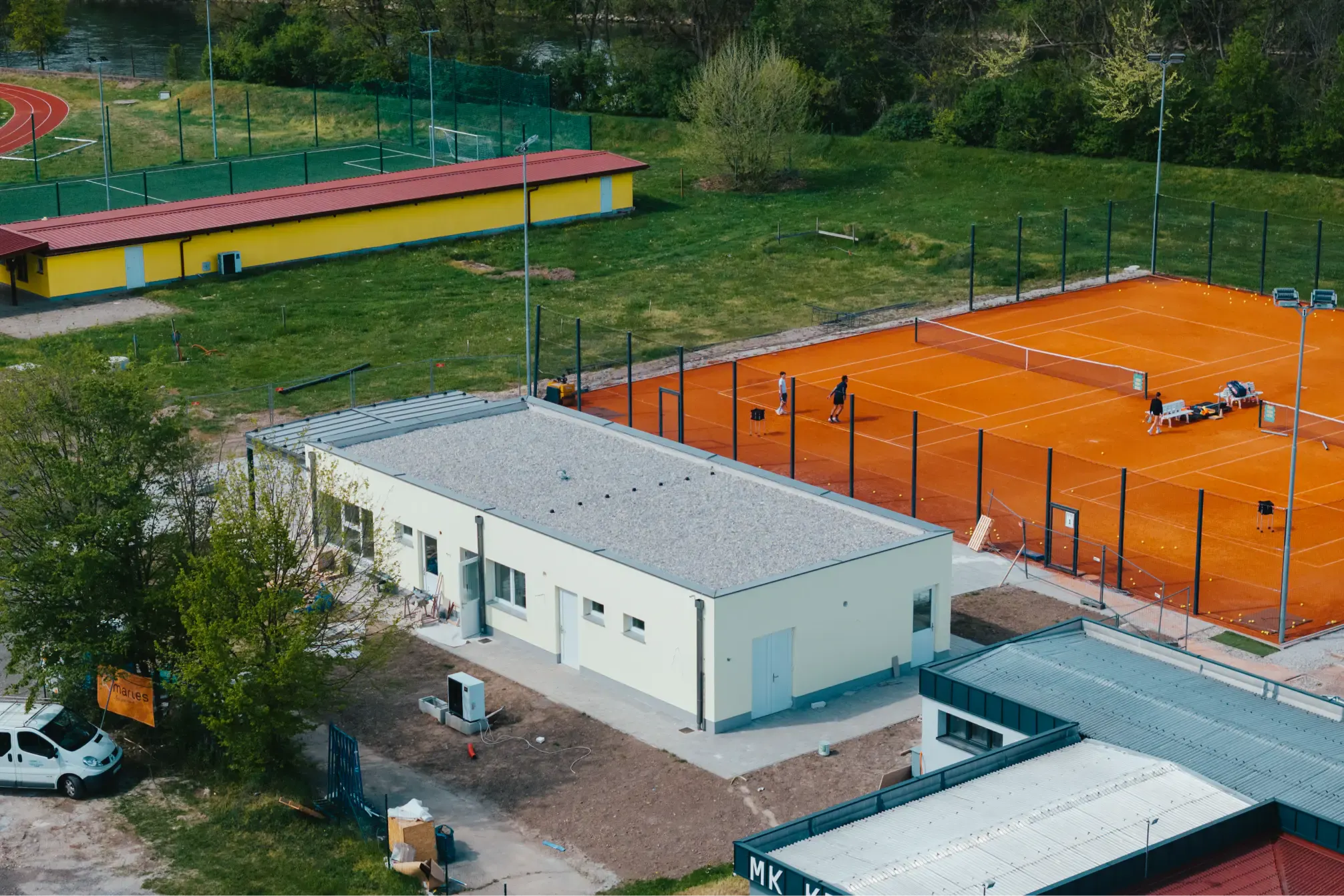
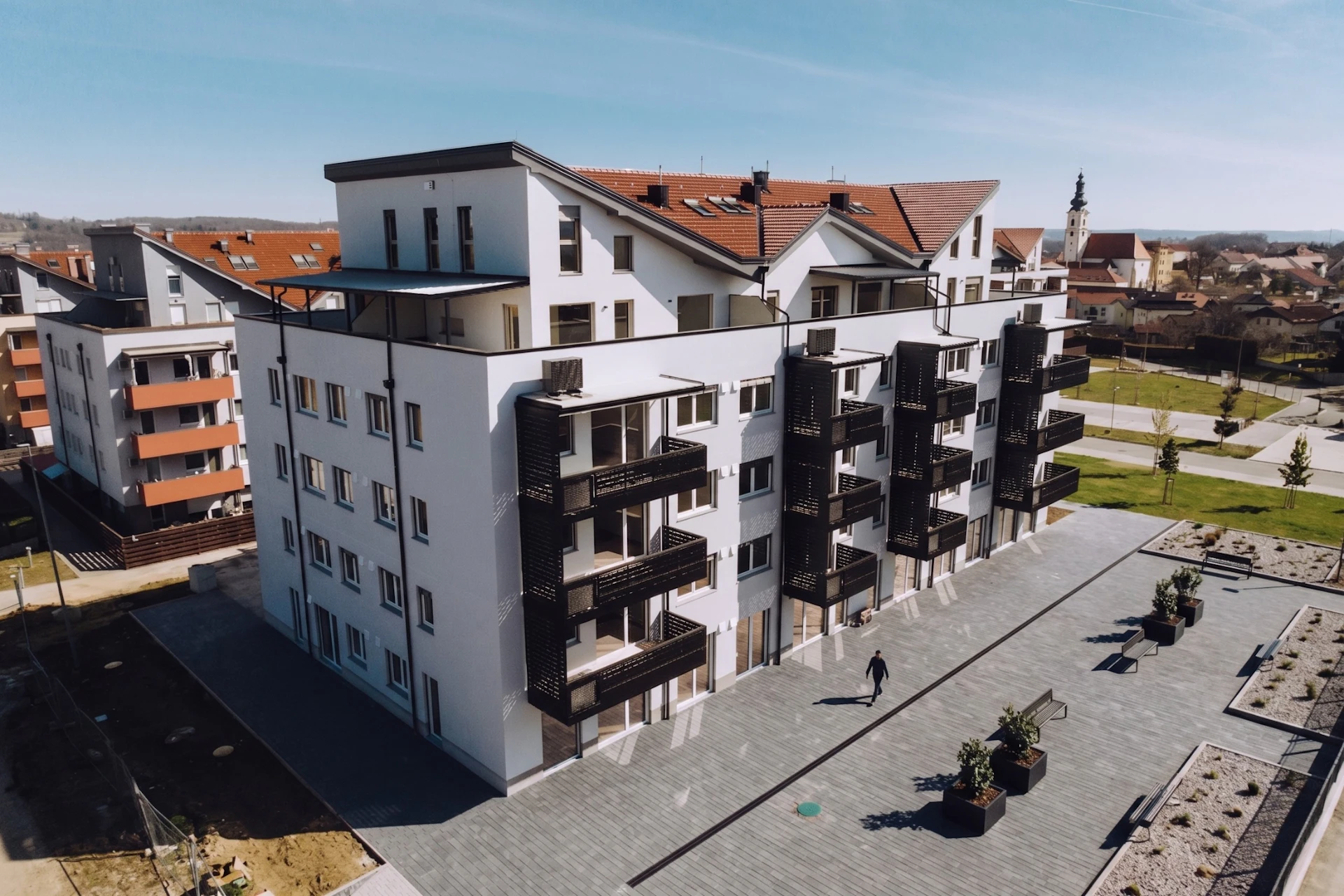
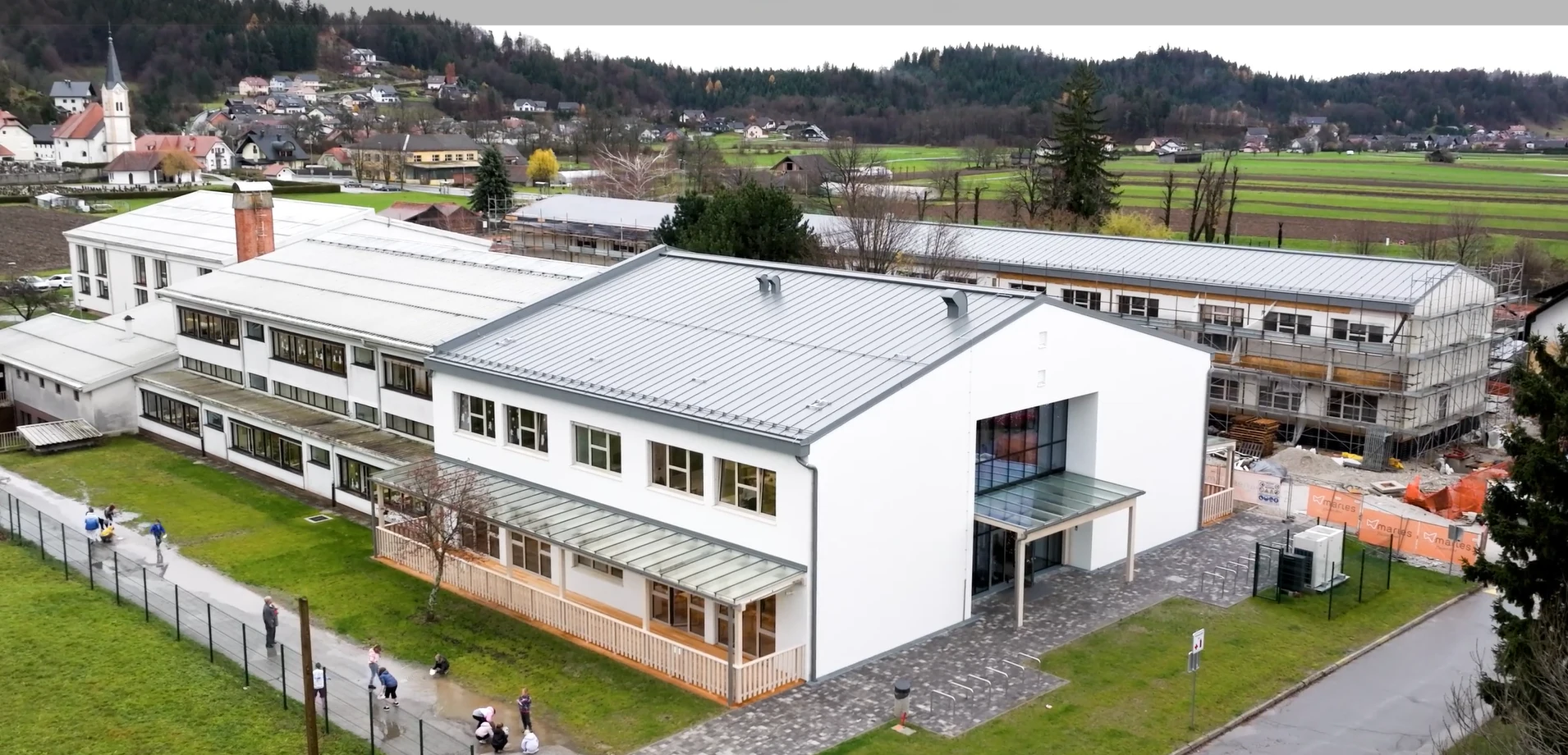
Alongside family homes, the company works on sports infrastructure, healthcare facilities, rescue and civil protection buildings, school extensions and multi-residential developments. This diversity shows the true strength of timber construction: it can adapt to very different technical, architectural and functional requirements.
For public clients and investors, that flexibility matters. It means a building system can be tailored to the specific needs of each project while still benefiting from the speed, consistency and quality of industrially controlled production.
The Value of a Well-Managed Process
Projects such as Sladki Vrh also highlight the importance of a well-managed building process.
At Marles, every project is developed through a system that values precision, controlled production, clear coordination and efficient execution. This creates better predictability for investors, stronger quality control during construction and a smoother overall project timeline compared with conventional wet construction.
That level of control becomes especially important in public and community buildings, where deadlines, budgets and long-term maintenance all influence the final value of the project.
Building for Communities, Building for the Future
As local communities continue investing in modern and sustainable infrastructure, Marles is pleased to contribute solutions that are practical, durable and ready for long-term use.
The Sladki Vrh Tennis Park project is a reminder that the future of building is diverse, efficient and increasingly timber-based. It also shows that public architecture can be both highly functional and thoughtfully designed — built around real needs, shaped with care and delivered with the discipline that modern communities expect.
For Marles, every completed project adds to a broader mission: creating buildings that serve people well, perform reliably and stand as a meaningful part of the environments they belong to.